Bunco Game Rules: A Comprehensive Guide
Bunco’s adaptable rules, often found in PDF guides, cater to various player counts—from two to twelve—and encourage customizable gameplay experiences for all participants.
Bunco is a delightfully simple yet engaging dice game, perfect for social gatherings and a fantastic way to spend an evening with friends and family. Its enduring popularity stems from its easy-to-learn rules, making it accessible to players of all ages and skill levels.
Numerous resources, including readily available PDF guides, detail the game’s fundamentals. These guides often highlight the game’s flexible nature, allowing for personalized rules and variations to suit any group’s preferences. Whether you’re a seasoned player or a complete beginner, Bunco promises laughter, friendly competition, and a whole lot of fun!
What is Bunco?
Bunco is a parlor game rooted in chance, played with three dice and aiming to score points by rolling specific numbers. The core mechanic revolves around matching the round number with the dice results; A PDF detailing Bunco rules will explain that tables are typically arranged with teams competing across multiple rounds.
The game’s charm lies in its simplicity; no strategic skill is required, making it ideal for social interaction. Many downloadable PDF guides emphasize the adaptable nature of the game, allowing players to modify rules for a unique experience. It’s a game of luck, laughter, and lively camaraderie!
History of the Bunco Game
The origins of Bunco are somewhat murky, though its roots trace back to England in the late 19th century, evolving from a gambling game called “Bonco.” It gained popularity in the United States during the 1920s, becoming a staple at social gatherings. Many PDF guides on Bunco rules don’t delve deeply into its history, focusing instead on gameplay.
However, the game’s enduring appeal stems from its easy-to-learn nature and social aspect. While detailed historical accounts are scarce, the readily available PDF resources confirm its long-standing tradition as a fun, lighthearted pastime.

Setting Up the Game
PDF guides detail that Bunco requires tables for teams, dice, scorecards, and a bell—essential components for initiating a lively and competitive game experience.
Number of Players
Bunco’s flexibility shines in its player accommodation, detailed in many PDF rule sets. While ideally suited for twelve, the game gracefully adapts to groups ranging from a cozy two players all the way up to a larger gathering of eleven.
PDF guides often provide specific adjustments for smaller groups, ensuring balanced gameplay. These modifications might involve altered scoring or team arrangements. The core enjoyment remains consistent regardless of the headcount. Finding a PDF with rules for your specific group size is highly recommended for a smooth and fun experience.
Table Arrangement & Teams
Most Bunco PDF guides recommend arranging tables to accommodate four players each, fostering lively interaction. Typically, tables are numbered, and players rotate after each round. Teams are usually formed by pairing players across from each other at each table, creating dynamic partnerships.
These PDF resources emphasize random team assignments to keep things fair and fun. The head table, crucial for game progression, often features designated roles. Detailed PDFs illustrate optimal table layouts and team configurations, ensuring a well-organized and enjoyable Bunco experience for everyone involved.
Required Materials (Dice, Scorecards, Bell)
Comprehensive Bunco PDF guides consistently list three essential materials: dice, scorecards, and a bell. Three dice are standard, used for rolling combinations to earn points. Printable scorecards, readily available in PDF format, track individual and team scores throughout the game.
A bell is vital; the head table rings it to signal the start and end of each round. Many PDFs offer downloadable scorecard templates. Some guides suggest optional items like prizes or themed decorations. Accessing a detailed PDF ensures you have everything needed for a successful Bunco night!

Gameplay Mechanics
Bunco, as detailed in PDF guides, unfolds in sets and rounds, with a bell signaling transitions; players aim to roll matching dice combinations.
Rounds and Sets
Bunco games, comprehensively outlined in available PDF rule sets, are typically structured around a series of rounds within larger sets. A standard game incorporates two to four distinct sets, each comprised of six individual rounds. Each round focuses on attempting to roll a specific number, incrementing with each successive round—starting with ones, then twos, and so on, up to sixes.
The head table initiates each round with a bell ring, prompting simultaneous rolling at all tables. Players continue rolling until the round’s target number is achieved, or three rolls have been exhausted. Understanding these foundational elements, often detailed in PDF guides, is crucial for enjoying a smooth Bunco experience.
The Role of the Head Table
As detailed in many Bunco PDF guides, the head table holds a pivotal role in orchestrating gameplay. This table’s primary function is to signal the start and end of each round using a bell. The head table team also keeps track of overall game progress and often manages scorekeeping for the entire group.
Furthermore, the head table’s players typically rotate tables after each set, ensuring everyone has an opportunity to play with different opponents. PDF resources emphasize the head table’s responsibility for maintaining game flow and clarity, making it a central hub for a successful Bunco night.
Rolling the Dice – Basic Rules
According to numerous Bunco PDF rule sets, a player rolls all three dice simultaneously. The goal is to match the number rolled with the current round number. If a die falls off the table during a roll, as outlined in many guides, only the fallen die is re-rolled.
Players continue rolling until they fail to roll any matching numbers, or until they achieve a Bunco! PDFs consistently highlight that a Bunco—rolling three of the same number—yields significant points. These basic rules, readily available in downloadable PDFs, form the foundation of Bunco gameplay.

Scoring System
Bunco scoring, detailed in PDF guides, rewards matching dice rolls and achieving a Bunco; points accumulate across rounds, determining the ultimate winning team.
Bunco Scoring
Bunco scoring is central to the game, and readily available PDF rule sets clearly outline the point system. Achieving a “Bunco” – rolling the number matching the round – earns a substantial 21 points. Matching only one die to the round number yields one point, while two matching dice score five points.
Teams tally points each round, and these accumulate throughout the sets. The goal is to amass the highest score by the game’s conclusion. Many PDF guides emphasize that consistent scoring, even small gains, can significantly impact the final outcome, making every roll crucial.
Points for Matching Numbers
Detailed Bunco rules, often found in convenient PDF formats, specify point allocation for dice matches. Rolling one die that corresponds to the current round number awards a team one point. Successfully matching two dice to the round number earns five points, a significant boost. However, the ultimate prize is a “Bunco,”
achieved by rolling three dice matching the round. This earns a substantial 21 points! PDF guides consistently highlight that strategic rolling and understanding these point values are key to maximizing a team’s score throughout the game’s multiple rounds and sets.
Team Scoring and Win Conditions
Many Bunco rules, readily available as PDF downloads, emphasize team play. Teams accumulate points throughout each round, tallied on scorecards. The team with the highest combined score after all rounds and sets is declared the winner. Some variations, detailed in PDF guides, introduce “skunk” rules—a significant point difference leading to immediate victory.
PDFs also clarify that losers often buy the winning team a small treat! Ultimately, Bunco prioritizes fun and socialization, but understanding team scoring and potential win conditions, as outlined in the PDF, adds a competitive edge.

Detailed Rules & Variations
Bunco’s flexibility shines through numerous PDF rule variations, accommodating 2-11 players, handling fallen dice, and resolving ties with ease and clarity.
Rules for 2-11 Players
Bunco adapts beautifully to varying group sizes, with PDF guides detailing adjustments for fewer than twelve players. When playing with smaller groups, modifications to team arrangements and scoring become essential. Some variations suggest each player represents a team, or teams rotate each round.
For two players, a simplified scoring system is often employed, focusing on individual rolls and bunco achievements. PDF resources often provide specific scoring charts for these scenarios. The core gameplay remains consistent – rolling for matching numbers and aiming for Buncos – but the strategic dynamics shift significantly with fewer participants. Adaptability is key to maintaining the fun!
Handling Dice That Fall Off the Table
PDF guides consistently address the common mishap of dice leaving the playing surface during a roll. The universally accepted rule dictates that only the dice which fall off the table require re-rolling. Remaining dice retain their initial values and contribute to the scoring process.
This prevents penalizing a player for an accidental nudge. It’s crucial to clearly define this rule before starting, avoiding disputes. Some Bunco groups may choose to re-roll all dice, but the standard, as outlined in most PDF rule sets, favors partial re-rolls for fairness and continued gameplay momentum.
Breaking Ties
Bunco PDF rulebooks frequently detail tie-breaking procedures, as tied scores inevitably occur. A common method, detailed in many printable guides, involves a “roll-off” around the tied tables. Players at each table sequentially roll the dice, continuing until a clear winner emerges with a higher score.
Alternatively, some groups opt for a single, decisive roll by representatives from each tied team. Consistency is key; establish the tie-breaking method before the game begins, referencing a shared PDF to ensure everyone understands the process and avoid mid-game disagreements.

Advanced Bunco Rules
Bunco PDF guides often explore “skunks” and scoring variations, alongside customizable house rules, enhancing strategic depth and replayability for experienced players;
Dealing with “Skunks”
Skunks in Bunco, detailed in many PDF rule sets, occur when a team is completely shut out in a round – failing to score any points. The consequences of a skunk vary significantly based on house rules. Some groups impose a penalty, like losing a set or a predetermined number of points.
Conversely, others celebrate the skunking team with a small reward or simply acknowledge the impressive feat. PDF guides often suggest options, allowing players to tailor the game’s intensity. It’s crucial to establish the skunk rule before gameplay begins to avoid disputes and maintain a friendly atmosphere. Understanding these variations is key to enjoying advanced Bunco play.
Variations in Scoring Systems
PDF Bunco rule guides reveal numerous scoring variations beyond the standard system. Some groups award bonus points for achieving three Buncos in a single round, or for consistently rolling specific numbers. Others implement a “loss of points” system for failing to roll any scoring dice.
These modifications can dramatically alter the game’s strategy and pace. Certain PDFs detail complex scoring matrices, while others advocate for simplified approaches. Before starting, discuss and agree upon the scoring method to ensure fairness and enjoyment. Customizing the scoring adds a unique flavor to each Bunco gathering.
House Rules & Customizations
Many Bunco groups, as detailed in downloadable PDF guides, establish unique “house rules” to enhance the fun. These can range from silly penalties for rule infractions – like doing a silly dance – to adjusted scoring for specific dice combinations. Some groups introduce themed nights, requiring costumes or incorporating related trivia.
PDF resources often encourage players to personalize the game. Customizations foster a sense of community and make each Bunco night memorable. Remember to clearly communicate all house rules before play begins to avoid confusion and maintain a friendly, competitive atmosphere.
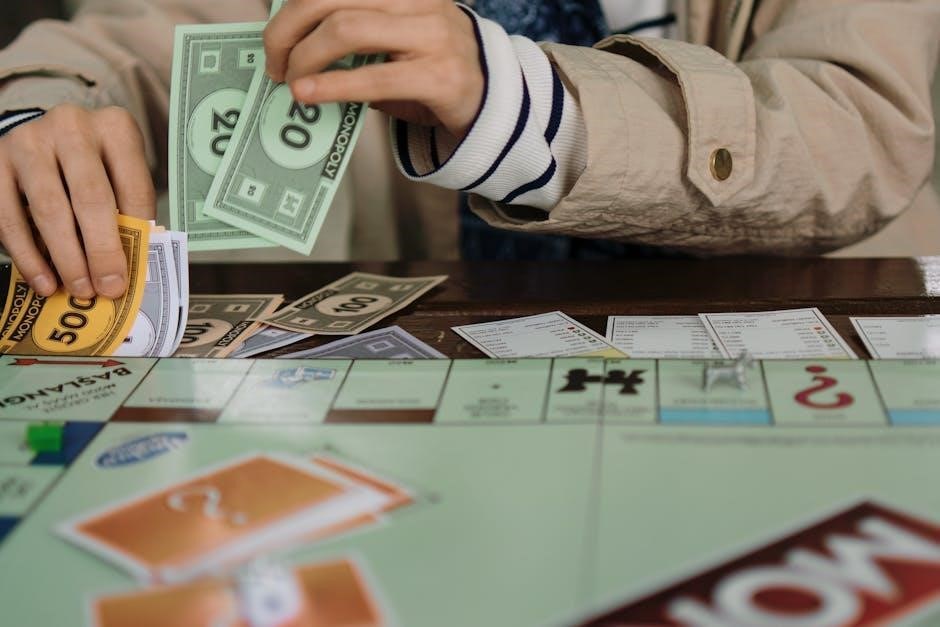
Bunco Etiquette & Social Aspects
Bunco, often detailed in PDF guides, thrives on good sportsmanship and social interaction, making it a delightful event for friends and community.
Proper Bunco Behavior
Bunco, as outlined in many readily available PDF rule sets, is fundamentally a game centered around fun and camaraderie. Maintaining a positive attitude, regardless of scoring, is paramount. Players should cheerfully celebrate successes – both their own and their opponents’ – fostering a welcoming atmosphere.
Respectful conduct towards fellow players and adherence to agreed-upon house rules, often detailed within PDF guides, are essential. Avoid excessive complaining or attempts to debate scoring decisions; a lighthearted approach is key. Remember, Bunco is less about strict competition and more about enjoying social interaction and a relaxed evening with friends.
Bunco as a Social Event
Beyond the dice rolls and scoring, Bunco, as detailed in numerous PDF guides, thrives as a vibrant social gathering. It’s an excellent opportunity to connect with friends, build community, and enjoy lighthearted entertainment. Many groups incorporate themes, potluck meals, or small prizes to enhance the festive atmosphere.
The game’s simple rules, easily accessible in PDF format, make it inclusive for players of all skill levels, encouraging participation and conversation. Bunco nights often become cherished traditions, fostering lasting friendships and providing a regular outlet for social interaction and joyful camaraderie.

Resources & Further Information
Numerous websites offer printable Bunco scorecards in PDF format, alongside online communities and forums for players seeking rules and tips.
Where to Find Printable Bunco Scorecards (PDF)
Finding readily available Bunco scorecards in PDF format is surprisingly easy! Many websites dedicated to party games and printable resources offer free downloads. A quick online search for “printable Bunco scorecard PDF” yields numerous options, ranging from simple, classic designs to more elaborate and colorful templates.
Several sites specialize in party printables, providing a variety of Bunco scorecards to suit different tastes. If you prefer a purchased option, Etsy also features downloadable PDF scorecards with unique designs. Remember to preview the PDF before printing to ensure it meets your needs and fits your printer settings!
Online Bunco Communities & Forums
Engaging with online Bunco communities and forums is a fantastic way to deepen your understanding of the game and discover variations in rules, often shared as downloadable PDF guides. These platforms connect players globally, fostering a collaborative environment for sharing tips, strategies, and even custom scorecards.
Dedicated Bunco groups on platforms like Facebook and Reddit provide spaces for discussion and rule clarification. Many forums host threads specifically addressing common questions and offering printable resources. These communities are invaluable for newcomers and seasoned players alike, offering a wealth of knowledge and a vibrant social experience.
Bunco for Charity Events
Bunco nights are increasingly popular fundraising events, leveraging the game’s social appeal to support worthy causes. Organizers often create customized PDF guides outlining simplified rules for participants, ensuring accessibility for all skill levels and maximizing enjoyment. These guides frequently include donation information and event details.
Events like “Bunco for Breast Cancer” demonstrate the game’s potential for charitable giving. Simplified rule sets, readily available as PDF downloads, streamline gameplay, allowing attendees to focus on socializing and supporting the cause. The ease of learning and playing makes Bunco an ideal choice for inclusive fundraising activities.

Troubleshooting Common Issues
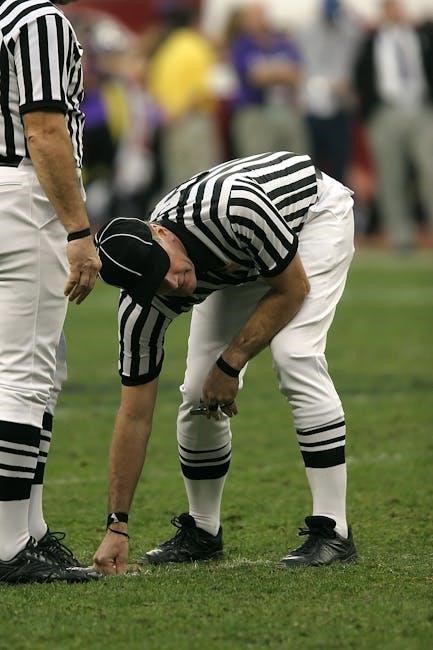
PDF guides clarifying Bunco rules help resolve disputes, especially regarding dice rolls or scoring, ensuring fair play and a smooth, enjoyable experience for everyone.
Disputes During Gameplay
Disagreements inevitably arise during lively Bunco games! Having a readily available PDF of the agreed-upon rules is invaluable for quick reference and impartial resolution. Common points of contention include scoring ambiguities – did that roll really count as a Bunco? – or interpretations of “house rules.”
When a dispute occurs, calmly consult the PDF. If the rules remain unclear, a designated “Bunco authority” (often the host) can make a final decision. Remember, the goal is fun, so prioritize amicable solutions over rigid adherence to every detail. A pre-game review of the PDF can proactively minimize conflicts!
Clarifying Ambiguous Rules
Bunco’s charm lies in its flexibility, but this can lead to ambiguous rules interpretations. A comprehensive PDF guide, reviewed before play, is crucial. If questions surface mid-game, immediately consult the document. Often, seemingly unclear points are explicitly addressed within a well-written rules set.
If the PDF doesn’t offer clarity, the group should collaboratively decide on an interpretation, documenting it for consistency. Establishing a “ruling precedent” prevents future disputes. Remember, the PDF serves as a foundation, but group consensus ensures everyone enjoys the game harmoniously!
Adapting to Different Player Skill Levels
A detailed Bunco PDF guide should acknowledge varying player experience. Newcomers might benefit from a simplified explanation of scoring, while seasoned players may appreciate advanced variations. Consider a “teaching round” where experienced players mentor novices.
House rules, detailed in the PDF, can also be adjusted. For example, slightly modified scoring for beginners can boost confidence. The goal is inclusivity! Ensure everyone understands the current ruleset, fostering a fun, relaxed atmosphere. A well-crafted PDF anticipates these needs, promoting enjoyable gameplay for all.