Welcome to the comprehensive Baptist Church Manual‚ designed to guide congregations in doctrine‚ practice‚ and community life․ This resource offers clear‚ scripturally grounded instructions for worship‚ leadership‚ and stewardship‚ fostering unity and faithful service․ All members welcome․ !!! 🙂
1․1 Purpose and Scope
This manual articulates the theological convictions and protocols that define Baptist identity․ Its aim is to equip pastors‚ elders‚ deacons‚ and lay leaders with grounded guidelines promoting doctrinal fidelity‚ orderly worship‚ and stewardship․ By establishing consistent standards for governance‚ sacramental observance‚ membership‚ and outreach‚ it fosters unity across diverse congregations while respecting local autonomy․ It delineates church officer roles‚ outlines decision‑making procedures‚ and provides a framework for resolving conflicts․ The manual also addresses financial stewardship‚ pastoral care‚ community engagement‚ ensuring operation․ Its scope covers all Baptist churches adopting it‚ from doctrinal statements and worship protocols to administrative policies and mission strategies․ It serves as a reference for leaders‚ offering tools‚ and scriptural references that reinforce believer’s baptism‚ congregational polity‚ and priesthood of all believers․
Moreover‚ the manual clarifies the relationship between the Baptist community‚ emphasizing mutual support and accountability․ It outlines procedures for recognizing and integrating new churches‚ establishing fellowship agreements‚ and maintaining doctrinal consistency․ The manual also provides guidance on handling doctrinal disputes‚ disciplinary matters‚ and the process for church planting and mission expansion․ By offering a structured yet flexible framework‚ it empowers each congregation to uphold Baptist principles while adapting to the cultural contexts․ The manual also sets guidelines for handling doctrinal disputes‚ disciplinary matters‚ and the process for church planting and mission expansion‚ ensuring that each congregation can grow responsibly while maintaining doctrinal integrity․ It encourages collaboration with fellow Baptist churches to share resources‚ training‚ and mutual support for hope․
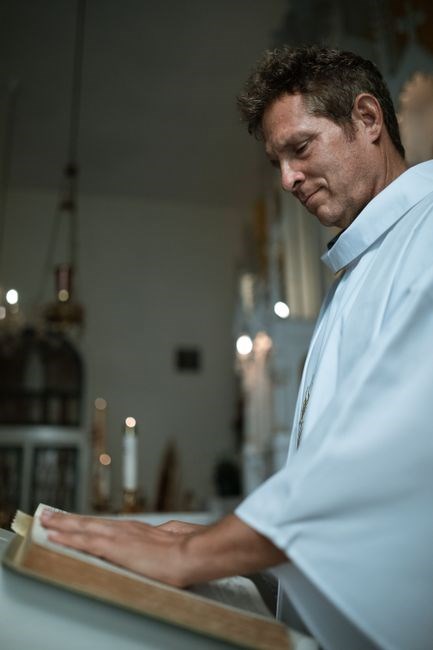
Its scope extends to all Baptist churches that adopt this manual‚ covering everything from doctrinal statements and worship protocols to administrative policies and mission strategies․ It is intended as a reference for new and seasoned leaders alike‚ offering practical tools‚ illustrative examples‚ and scriptural references that reinforce the Baptist tradition of believer’s baptism‚ congregational polity‚ and the priesthood of all believers for hope․

Governance and Organizational Structure
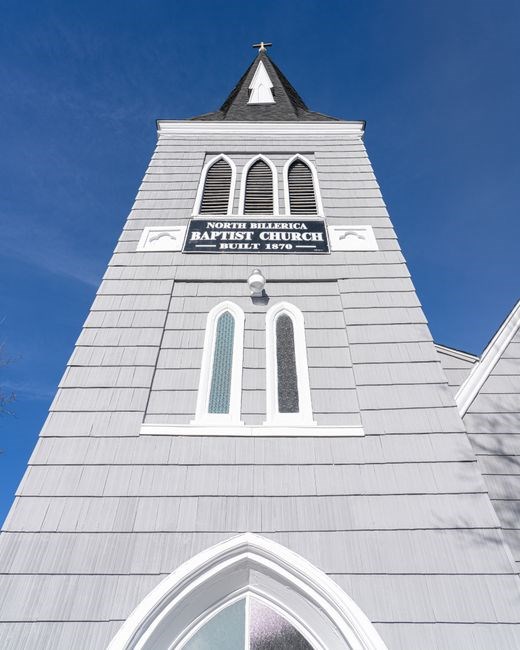
Our governance model follows a congregational polity‚ with elected elders‚ a pastor‚ deacons‚ and committees overseeing spiritual and administrative matters․ All leaders are accountable to the congregation‚ ensuring shared responsibility‚ transparency‚ and faithful stewardship for growth!!․
2․1 Church Leadership Roles
In Baptist congregations‚ leadership is rooted in biblical authority and shared responsibility․ The pastor serves as the primary spiritual shepherd‚ preaching‚ teaching‚ and guiding the church in covenant faith․ The elders‚ elected by the congregation‚ provide oversight‚ covenant care‚ and decision‑making‚ ensuring doctrinal purity and pastoral support․ Deacons focus on practical ministry‚ caring for the needy‚ managing the church’s physical resources‚ and facilitating worship logistics․ Additional roles—such as youth leaders‚ worship coordinators‚ and financial stewards—are appointed to meet specific ministry needs․ All leaders are accountable to the congregation‚ fostering transparency‚ mutual respect‚ and collective stewardship․ Leadership teams collaborate through regular meetings‚ prayer‚ and biblical study‚ aligning their vision with the church’s mission․ The manual outlines qualifications‚ election procedures‚ term limits‚ and conflict‑resolution protocols to maintain healthy governance and prevent abuse of power․ By adhering to these guidelines‚ churches uphold biblical governance‚ nurture spiritual growth‚ and serve their communities with integrity and humility․
Leadership development is emphasized through study‚ mentorship․ Accountability structures include quarterly reporting‚ peer review‚ and feedback sessions․ Succession planning ensures transitions‚ while mentorship programs pair seasoned elders with emerging leaders‚ continuity and perspectives

Worship and Sacraments
Worship centers on Scripture‚ prayer‚ and praise‚ guided by the Holy Spirit․ Baptism and the Lord’s Supper‚ as covenant signs‚ are administered with reverence‚ following biblical order‚ fostering unity and spiritual growth within the community․ All emphasize truth now․
3․1 Worship Guidelines
Worship centers on Scripture‚ prayer‚ and praise‚ guided by the Holy Spirit․ Baptism and the Lord’s Supper‚ as covenant signs‚ are administered with reverence‚ following biblical order‚ fostering unity and spiritual growth within the community․ All emphasize truth now․
Music and singing are integral‚ encouraging congregational participation through hymns‚ contemporary worship songs‚ and responsive readings․ All musical selections must be theologically sound‚ reflecting biblical themes of praise‚ confession‚ and thanksgiving․ The worship leader should coordinate the choir‚ instrumentalists‚ and vocalists to maintain a cohesive flow․
Prayer is woven throughout the service‚ including intercession‚ petitions‚ and moments of silent reflection․ The pastor or designated prayer leader should guide these segments‚ ensuring they align with Scripture and needs of the congregation․ A closing prayer‚ followed by a benediction‚ concludes the service‚ sending the congregation forth with God’s blessing․
Throughout‚ the worship team must maintain reverence‚ humility‚ and attentiveness to the Spirit’s leading․ The order of service should be flexible yet consistent‚ allowing expressions of faith while preserving biblical order․ All elements—Scripture‚ sermon‚ music‚ prayer—must reinforce the gospel‚ fostering spiritual growth and community unity!!!․

Baptism Practices and Theology
Baptism‚ a covenant sign‚ affirms faith‚ repentance‚ and new life in Christ․ Baptists practice believer’s immersion‚ symbolizing death to sin and resurrection․ Scripture mandates baptism after confession‚ ensuring personal commitment․ It fosters unity‚ discipleship‚ testimony within the church․
Welcome to the comprehensive Baptist Church Manual‚ designed to guide congregations in doctrine‚ practice‚ and community life․ This resource offers clear‚ scripturally grounded instructions for worship‚ leadership‚ and stewardship‚ fostering unity and faithful service․ All members welcome․ !!! 🙂
Baptism‚ a covenant sign‚ affirms faith‚ repentance‚ and new life in Christ․ Baptists practice believer’s immersion‚ symbolizing death to sin and resurrection․ Scripture mandates baptism after confession‚ ensuring personal commitment․ It fosters unity‚ discipleship‚ testimony within the church․
4․1 Baptismal Doctrine and Procedures
Baptism in Baptist churches is a public profession of faith‚ an act of obedience to Christ’s command in Matthew 28:19․ It is a covenant sign‚ symbolizing the believer’s identification with Christ’s death‚ burial‚ and resurrection․ The doctrine requires a confession of repentance‚ a personal acceptance of the gospel‚ and a commitment to discipleship․ Baptists reject infant baptism‚ affirming that only those who can consciously affirm their faith are eligible․ The procedure follows a simple‚ orderly sequence: the candidate presents a written testimony of faith‚ the pastor or appointed minister pronounces the baptismal formula‚ and the candidate is immersed fully in water‚ then raised․ The immersion represents the believer’s burial with Christ and the rising to new life․ The water is not a means of grace but a symbolic act․ The church records the baptism in a register‚ noting the date‚ name‚ and witness․ The ceremony is brief‚ respectful‚ and conducted in a setting that honors the solemnity of the covenant․ The practice is rooted in Scripture‚ tradition‚ and the Baptist principle of believer’s baptism by immersion․
Membership in the Baptist church is contingent upon baptism; the church covenant is entered only after the baptismal act․ The congregation witnesses the baptism‚ affirming communal responsibility․ The pastor ensures the candidate understands the covenant’s implications‚ including living a life of obedience․ The baptismal record is kept‚ available for verification of membership status․ The practice upholds the Baptist conviction that baptism is a act‚ not a sacramental rite‚ and is essential for church admission․more!!!

Membership and Discipleship
Membership requires a confession‚ baptism‚ and commitment․!! Discipleship follows‚ with study‚ prayer‚ and service․ The church supports growth through groups‚ mentoring‚ and mission engagement‚ mature believers․ Unity and growth‚ faith hope!! Together rise!!
5;1 Membership Requirements and Processes
To join a Baptist church‚ a person must affirm faith in Jesus Christ as Lord and Savior‚ and commit to the Baptist principle of believer’s baptism by immersion․ The membership process begins with an introductory meeting where the candidate shares their spiritual journey and learns about the church’s doctrine‚ governance‚ and expectations․ They then participate in a discipleship curriculum that includes Bible study‚ prayer groups‚ and mentorship with a senior member․ This curriculum deepens theological understanding‚ fosters spiritual growth‚ and assesses readiness for full membership․ During this period‚ the candidate serves in small ministries or volunteer roles‚ experiencing practical ministry and community life․ The final step is a formal application‚ a written statement of faith‚ and a testimony of baptism․ A membership committee reviews the application‚ conducts a confidential interview‚ and verifies the baptismal record․ Upon approval‚ the individual is formally inducted during a worship service‚ where the congregation welcomes them and the new member signs the membership register‚ committing to uphold the church’s covenants‚ participate in worship‚ and contribute to its mission․ The church maintains a membership database to ensure accountability‚ facilitate communication‚ and support ongoing discipleship․ Members renew their commitment annually through a reaffirmation ceremony‚ reaffirming faith‚ obedience‚ and willingness to serve․ All are welcomed․

Church Finance and Stewardship
Financial stewardship is rooted in biblical principles‚ encouraging good giving‚ transparent budgeting andresponsible stewardship of resources․ Members are called to budgetdaily report and support ministries ensuring accountability and honoring God’s provision․
6․1 Financial Policies and Accountability
All financial decisions must align with biblical stewardship‚ ensuring transparency‚ accountability‚ and ethical conduct․ The Board of Trustees oversees budgeting‚ approving expenditures‚ and monitoring cash flow․ A dedicated Finance Committee reviews all transactions‚ reconciles ledgers‚ and reports quarterly to the congregation․ Every donation is recorded with a unique reference number‚ and receipts are issued promptly․ The church maintains separate accounts for tithes‚ offerings‚ mission funds‚ and operational expenses‚ each audited annually by an independent CPA․ Policies include a clear approval hierarchy: routine expenses require a pastor’s sign‑off‚ while larger sums need board approval․ Internal controls such as dual signatures on checks‚ segregation of duties‚ and regular bank reconciliations prevent misuse․ All financial statements are published in the monthly bulletin and posted on the church website for public scrutiny․ Members are encouraged to budget their giving‚ and financial education sessions are offered during Sunday services․ The stewardship office provides resources on budgeting‚ debt reduction‚ and charitable giving․ In case of financial hardship‚ the church offers a confidential assistance program‚ ensuring support while preserving dignity․ By adhering to these policies‚ the congregation demonstrates integrity‚ builds trust‚ and honors God’s provision in every aspect of its mission․ Review the policy for all․

Pastoral Care and Counseling
Pastoral care centers on compassionate ministry‚ offering counseling‚ prayer‚ and support․ Leaders train in biblical counseling‚ maintain confidentiality‚ and refer to professionals when needed․ Regular visits‚ crisis response‚ and discipleship nurture spiritual growth and community trust․ and hope․!!
7․1 Pastoral Responsibilities and Support Structures
Pastors serve as spiritual shepherds‚ guiding congregants through worship‚ teaching‚ and personal crises․ Their duties encompass preaching‚ administering sacraments‚ and overseeing church ministries․ They must maintain doctrinal integrity‚ nurture discipleship‚ and foster community outreach․ Pastoral care includes regular visitation‚ counseling‚ and prayer support‚ ensuring emotional and spiritual well‑being․ Support structures involve a pastoral team‚ lay leaders‚ and professional counselors․ Team meetings provide accountability‚ shared vision‚ and resource coordination․ Lay leaders assist with small‑group ministries‚ youth programs‚ and administrative tasks‚ freeing pastors to focus on theological leadership․ Professional counselors offer specialized mental‑health support‚ ensuring ethical boundaries and confidentiality․ Together‚ these structures create a resilient‚ compassionate ministry that addresses individual needs while advancing the church’s mission․ This collaborative framework encourages continuous learning‚ mutual encouragement‚ and holistic stewardship of the body of Christ․ The manual outlines clear protocols for crisis response‚ referral pathways‚ and ongoing pastoral development‚ ensuring all staff and volunteers operate within biblical and ethical standards․ By integrating pastoral responsibilities with robust support‚ churches can sustain healthy‚ vibrant communities that reflect Christ’s love and grace․ All ministries thrive daily․

Community Outreach and Mission
Our outreach strategy blends local service‚ mission anddiscipleship․ We partner with shelters‚ schools‚ andrelief agencies‚ training volunteers in compassion and biblical truth․ Outreach is a living witness‚ inviting all to experience God’s love and purpose․
8․1 Outreach Strategies and Partnerships
Strategic outreach for Baptist churches hinges on intentional partnership‚ contextual relevance‚ and biblical fidelity․ First‚ assess community needs through data‚ listening sessions‚ and partnership with local agencies․ Second‚ develop a clear mission statement that aligns with Scripture and the church’s vision‚ ensuring every outreach effort reflects Christ’s love․ Third‚ train volunteers in cultural competence‚ empathy‚ and effective communication‚ equipping them to engage respectfully․ Fourth‚ establish collaborative networks with schools‚ shelters‚ food banks‚ health clinics‚ and faith‑based nonprofits‚ creating a unified front that amplifies impact․ Fifth‚ implement measurable goals and evaluation metrics to track progress‚ celebrate successes‚ and adjust strategies․ Additionally‚ integrate discipleship into outreach by offering Bible study‚ prayer groups‚ and mentorship‚ so encounters become pathways to deeper faith; Emphasize stewardship by encouraging financial support‚ time‚ and gifts toward mission projects․ Finally‚ maintain transparency‚ accountability‚ and continuous learning‚ fostering a culture where outreach is both a service and a testimony of God’s grace․ To sustain momentum‚ churches should host quarterly impact reports‚ invite community leaders to share testimonies‚ and celebrate milestones publicly‚ reinforcing the narrative that faith-driven action transforms lives and strengthens communal bonds across diverse demographics․ Together‚ us